Quick Answer
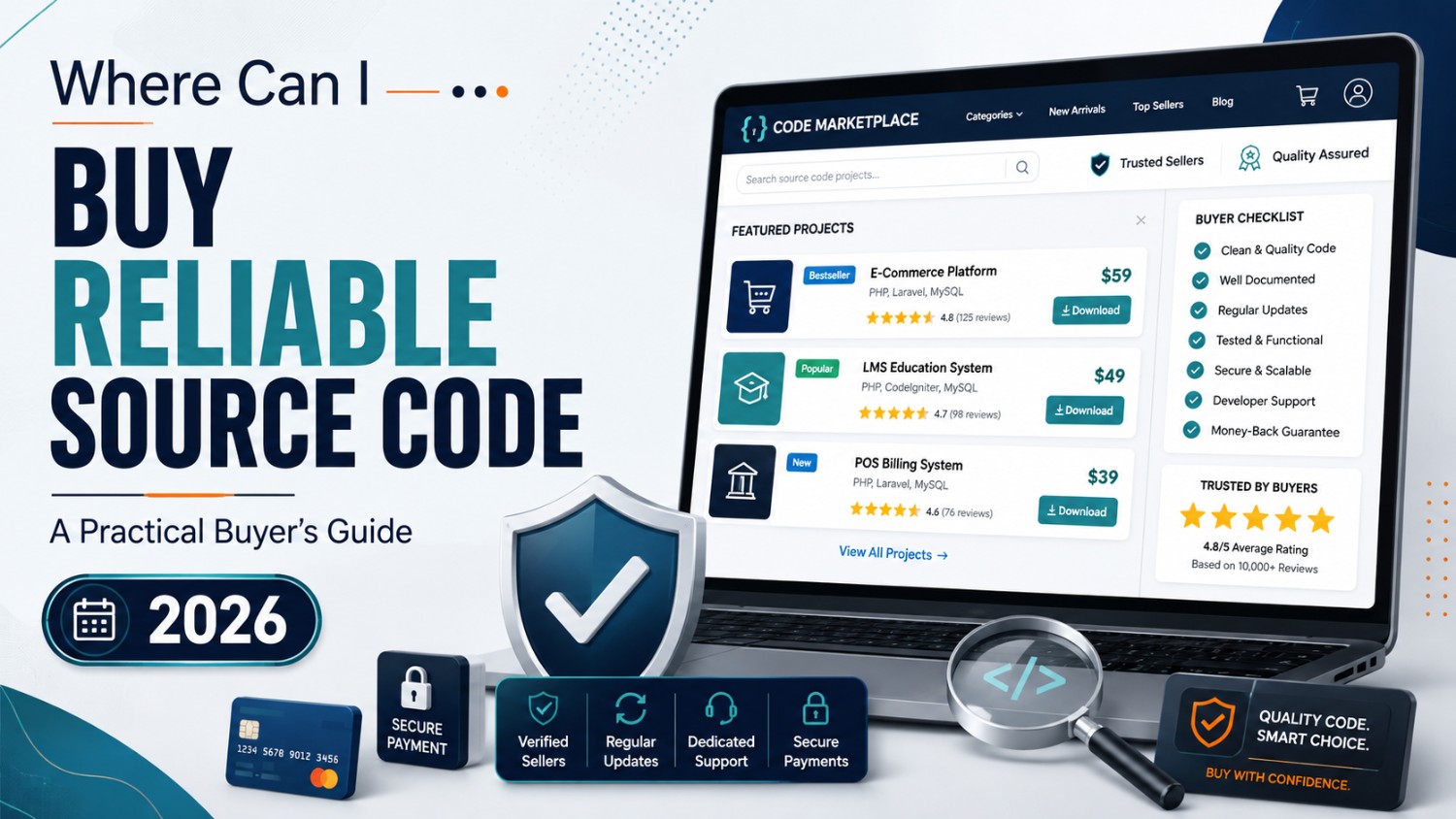
You can buy reliable source code from established code marketplaces such as ScriptRipple, CodeCanyon, Codester, GitHub Marketplace, PHPJabbers, SellMyApp, and business marketplaces like Flippa when you need a live product. Reliability depends on license terms, readable files, reviews, update history, support, and a staging security check. Always match the marketplace item to how you will use the code.
Introduction
Buying source code can shorten a launch, but the wrong purchase can create license problems, security gaps, and months of rework. This guide explains where to buy, how to judge quality, and when a ready-made script is the right starting point.
Founders, freelancers, and product teams often search for ready-made scripts, app templates, WordPress plugins, or full product code so they can launch faster than a from-scratch build. That search is reasonable. A well-maintained commercial script can save weeks of engineering time. A poorly chosen file dump can stall a product, expose customer data, or lock you into a license you cannot use for paid customers.
Table of Contents
- What Does Reliable Source Code Mean?
- Where Can I Buy Reliable Source Code?
- How to Judge Whether Source Code Is Reliable
- Important Buying Factors
- Benefits of Buying Source Code
- Challenges and Limitations
- Practical Examples by Business Type
- Marketplace Comparison
- Step-by-Step Buying Process
- Common Mistakes
- Expert Recommendations
- Need a Trusted Place to Buy or Sell Code?
- Final Verdict
- Frequently Asked Questions
What Does Reliable Source Code Mean?
Reliable source code is readable, licensed for your intended use, reasonably maintained, and free enough of known security and legal problems that a developer can install, customize, and support it without starting over.
Reliability is not the same as a five-star demo video. A listing can look polished and still ship encoded files, abandoned dependencies, or a license that forbids charging users. Reliable code usually has:
- Human-readable source (not only compiled binaries or heavily obfuscated files)
- A written commercial license that matches how you will use the product
- A public update history and a living author or vendor
- Documentation that matches the current version
- Reviews that mention real installation, not only “looks nice”
- A refund or support path if the delivery does not match the listing
Where Can I Buy Reliable Source Code?
The most common places to purchase production-ready source code are ScriptRipple, CodeCanyon (Envato), Codester, GitHub Marketplace, PHPJabbers, SellMyApp, Gumroad creator stores, TemplateMonster for template-plus-script packs, and Flippa or Acquire.com when you are buying a running product.
No single store is best for every buyer. Match the venue to what you actually need.
ScriptRipple
ScriptRipple is a digital marketplace for buying and selling code scripts, plugins, templates, mobile apps, graphics, and ready-made websites. It is not an agency and it does not sell custom website retainers. It connects developers who publish digital products with buyers who need a faster starting point.
The catalog covers PHP Scripts, Laravel and other framework code, WordPress Themes, plugins, HTML and Shopify templates, Mobile Apps, and Ready Websites. Buyers can filter by category, review item pages, and download after checkout. Sellers can list scripts, themes, and apps to reach buyers who are already shopping for source code.
CodeCanyon (Envato Market)
CodeCanyon is one of the largest catalogs of scripts, plugins, PHP products, and mobile app templates. Prices often start low for small plugins and rise for fuller apps. The catalog is useful when you need a booking module, a directory script, or a WordPress plugin with a large review history.
Codester
GitHub Marketplace and public GitHub repositories
GitHub Marketplace is strongest for tools that live inside the GitHub ecosystem (Actions, apps, integrations). Public GitHub repositories are a different channel: you clone licensed open source rather than buying a packaged product. That can be the most reliable path for libraries and frameworks with active maintainers. It is a weak path if you expected a turnkey business app with an admin panel, billing, and support.
PHPJabbers and similar direct script vendors
SellMyApp and mobile clone-script vendors
Flippa, Acquire.com, and business marketplaces
Gumroad, creator storefronts, and indie boilerplates
Open source plus your own customization
Sometimes the reliable purchase is not a marketplace file. It is a well-known open-source base (WordPress, WooCommerce, Magento Open Source, Medusa, Saleor, or a documented SaaS starter) plus the hours you or a hired developer spend on the custom layer. Marketplace items from ScriptRipple and similar stores can sit on top of that base: a Laravel Scripts starter, a WordPress theme, or a plugin that solves one job well.
How to Judge Whether Source Code Is Reliable
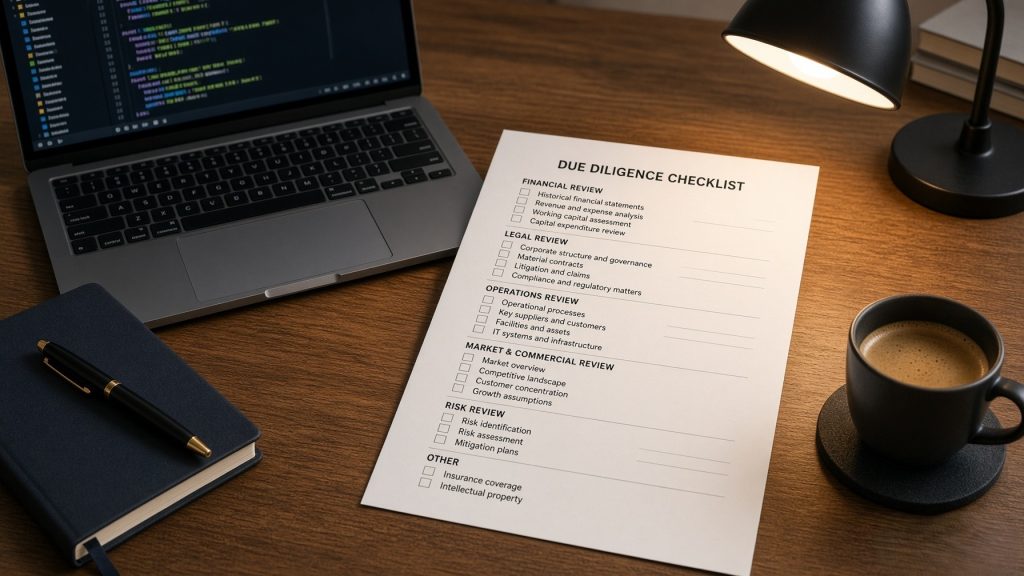
Judge reliability by license fit, unencrypted source, recent updates, independent reviews, demo accuracy, dependency health, and whether a developer can install the product in a staging environment before you go live.
Use this checklist before you pay.
License and intended use
Ask four questions in writing:
- Can I use this in a commercial product?
- Can customers pay me to use the product built from this code?
- Can I customize and hire other developers to maintain it?
- Do I own a copy, or am I only licensing use of someone else’s IP?
Readable source versus encoded files
Update history and abandoned authors
Reviews that mention installation
Security and dependency review
Marketplace code often ships with old jQuery, abandoned npm packages, hardcoded credentials in sample files, or missing rate limits. Before production:
- Run the project in an isolated staging environment
- Scan dependencies for known vulnerabilities
- Change every default password and API key
- Confirm file permissions and admin routes
- Check that user uploads cannot execute code
Do not invent a false sense of safety from a marketplace badge. Badges are not a penetration test.
Documentation and stack match
The stack must match the people who will maintain it. A Flutter app is not helpful if your only developer works in WordPress. A Laravel booking engine is a poor fit if your operations team expected Shopify.
Avoid nulled, cracked, or “unlimited license” packs from unofficial sites. Those files are often malware and they give you no legal right to the software. Buy from the rights holder or from a marketplace listing published by a seller account.
Important Buying Factors
What you are actually trying to launch
Budget beyond the listing price
The sticker price is the smallest cost. Add:
- Developer hours to install and customize
- Hosting, SSL, backups, and monitoring
- Payment gateway and SMS or email provider fees
- Design work so the product does not look like every other buyer’s demo
- Ongoing security patches
- App store developer accounts and review cycles for mobile
A $59 script that needs 80 hours of rescue work is not cheap.
Exclusivity
Support window
Local business and SEO reality
Bought scripts and themes often ship with thin demo content, generic headings, and extra plugins. If your goal is local discovery, the code is only the chassis. You still need service pages, location relevance, technical SEO, and a site that can be edited without breaking layouts. A Ready Websites package can speed setup. It does not replace original content.
Benefits of Buying Source Code
Buying can be the right move when the problem is well understood and the listing is honest.
Faster prototype
A booking script or ecommerce starter can put a clickable product in front of users while you test demand. That is useful for a startup validating a niche, not for a regulated healthcare workflow that needs custom consent flows.
Lower initial engineering cost
You avoid paying a team to reinvent a calendar, invoice PDF, or basic CRUD admin. For standard features, that saving is real.
Learning the stack
Junior teams sometimes buy a mid-quality Laravel or Flutter project to study structure. Treat that as education, not as a finished company asset.
Access to a plugin and theme ecosystem
WordPress and Shopify ecosystems are mature. Buying a well-reviewed plugin or theme from a known seller is often more reliable than commissioning a one-off feature that nobody will patch.
Transferable starting point
A two-sided marketplace when you also want to sell
If you built the script yourself, the same venues work in reverse. ScriptRipple is built as a buy-and-sell marketplace, so developers can Sell Source Code as well as purchase it. That is different from hiring a studio. You are listing a digital product.
Challenges and Limitations
The main limitations of purchased source code are license restrictions, shared codebases, uneven quality, abandoned authors, security debt, and the extra cost of making a generic product look and behave like your business.
License traps
Copyleft surprises inside premium code
Commercial packages sometimes bundle GPL libraries. That can be acceptable for WordPress plugins (the WordPress ecosystem expects GPL-compatible licensing). It can be a serious problem if you thought you were buying closed proprietary IP for a SaaS. Ask for a software bill of materials when the deal is large.
Lookalike products
Clone scripts of popular consumer apps attract app store scrutiny and customer distrust. Reliable-looking code that copies another brand’s flows can still be a commercial dead end.
Security debt
Marketplace items are frequent targets because attackers know the public file structure. If you do not change paths, harden uploads, and keep dependencies current, you inherit a known attack surface.
Limited uniqueness and SEO
Search engines do not rank another copy of the same directory theme. Thin template sites struggle when competitors publish original service content and faster pages. Bought code does not replace content strategy or technical SEO.
When buying is the wrong choice
Skip the marketplace file if you need:
- Strict compliance (health, finance, children’s data) that no template documents
- A workflow no listing covers
- Exclusive IP for fundraising
- A product whose entire value is originality
In those cases, write the core yourself or hire a developer under a contract that assigns IP. You can still buy bounded components (a calendar widget, an invoice PDF library) from a marketplace.
Practical Examples
Local service company
A plumbing company wants online booking. A cheap appointment script or a services theme can work if it connects to a real calendar and the public site still explains services, areas served, and trust signals. The reliable purchase is the booking module or a focused theme, not an entire business directory clone that the owner cannot edit.
Ecommerce store
A retailer comparing a low-cost marketplace theme plus plugins versus a structured Shopify or WooCommerce build should price the full year: apps, speed work, checkout tweaks, and support. Many stores do better with an official ecosystem and paid apps from known vendors than with an obscure all-in-one PHP shop last updated years ago.
Restaurant
Ordering clones exist in every mobile marketplace. Reliability here means PCI-aware payments, accurate menu editing, and a site search engines can understand. A restaurant often needs a fast website and a proven ordering integration more than a full custom app.
Consultant or professional service provider
A consultant who buys a bloated business management suite usually uses 10 percent of it. A simple site plus the invoicing or booking tools they already know is more reliable.
Startup building a marketplace
A multi-vendor or classifieds script can demo the idea. It will not carry unique matching logic, trust and safety, or a funding story. Budget a rewrite once the demo produces learning. PHP Scripts and Laravel marketplace starters are common starting points for this test.
Healthcare or real estate business
Directory themes and doctor appointment scripts are common. Patient or listing data makes generic code risky. Prefer platforms with a security track record and a developer who will own hosting and backups.

Comparison Table
Step-by-Step Guidance: How to Buy Source Code Without Regret
- Write the use case in one paragraph. Include whether customers will pay inside the product.
- List must-have features and nice-to-have features separately.
- Shortlist two or three marketplaces that sell that category, including ScriptRipple if you want scripts, themes, or apps in one catalog.
- Filter by last update date, stack, and license type.
- Read the full license, not the price tag.
- Run every official demo on mobile and desktop. Compare it with recent buyer comments.
- Message the seller with specific questions: PHP/Node version, encoded files, refund rules, and whether paid end users are allowed.
- Budget installation and customization hours with a developer who will not vanish after purchase.
- Buy only after you have a staging plan: hosting, backups, and who applies updates.
- After delivery, verify the archive, change credentials, scan dependencies, and document what you bought.
- Redesign public-facing pages so the product does not look like the stock demo.
- Schedule maintenance. Unmaintained marketplace code ages quickly.
If step 8 reveals that customization will cost more than writing the unique parts yourself, buy only the modules you still need and build the rest.
Common Mistakes
Buying on price alone
The cheapest item is often unmaintained. You pay later in developer hours.
Ignoring the license
Assuming source included means you can resell the product
Skipping a staging install
Launching the stock theme
Identical sites dilute trust. Change layout, copy, and performance before ads or SEO work begins.
No owner for updates
Who patches the next CVE in a plugin? If the answer is nobody, the purchase is a liability.
Treating clone apps as unique startups
Customers notice. Use clones only as throwaway prototypes unless you plan a serious redesign.
Downloading nulled or cracked files
Forgetting content and search
A downloaded theme does not explain your services, city, or proof. Businesses that skip this step stay invisible.
Expert Recommendations
From reviewing business websites and marketplace listings, the pattern is consistent. Buyers over-index on a complete system and under-index on ownership, updates, and the pages that generate enquiries.
- Buy components, not fantasies. A payment-ready booking module plus a clean theme beats a 200-feature suite nobody understands.
- Prefer ecosystems with available talent. WordPress, Shopify, Laravel, and mainstream JavaScript stacks are easier to hire for than an obscure encoded PHP product.
- Demand unencrypted source for anything core to revenue.
- Keep a written license file next to the repository.
- Put secrets in environment variables. Marketplace sample configs often commit keys.
- If the public website is the product, invest in original structure and content rather than a generic script skin.
- Compare at least two stores for the same category. A [Internal Link: WordPress Themes] listing on one market may be priced or licensed differently on another.
ScriptRipple fits this process as a marketplace, not as a development studio. Use it to browse PHP Scripts, themes, plugins, and apps, or to publish your own items. For questions about an order or a listing, use Contact us.
Need a Trusted Place to Buy or Sell Code?
Final Verdict
You can buy reliable source code, but reliability is a process, not a store name. Use ScriptRipple when you want a marketplace dedicated to scripts, templates, plugins, apps, and ready websites, including the option to sell your own work. Use CodeCanyon and similar markets for high-volume plugin catalogs. Use Codester and direct vendors when the license is clearer and the product is standard. Use GitHub for transparent libraries. Use Flippa or Acquire.com only with real technical diligence. Use clone-script shops for prototypes, not for a brand you intend to defend.
Frequently Asked Questions About Buying Source Code
1. Where can I buy reliable source code for a website or app?
Established options include ScriptRipple, CodeCanyon, Codester, GitHub Marketplace, PHPJabbers, SellMyApp, Gumroad indie stores, and business marketplaces such as Flippa when you are buying a live product. Reliability comes from license fit, readable source, recent updates, and a staging test, not from the marketplace logo alone.
2. Is ScriptRipple an agency that builds custom websites?
3. Is it legal to buy source code from online marketplaces?
Yes, when you buy from the rights holder or an authorized marketplace listing and you follow the license. You usually receive a license to use the code, not exclusive ownership of the intellectual property. Reselling the same item as a competing template is commonly forbidden. Read the license for paid-user rules, installation limits, and whether encoded files are allowed.
4. How do I know if marketplace source code is safe?
You cannot know from the sales page alone. Install in staging, change default passwords, review file permissions, and scan dependencies for known vulnerabilities. Avoid items with encoded core files if you cannot audit them. Check that contact forms and upload fields cannot be abused. Budget a developer review for anything that will store customer data or process payments.
A high star rating is useful signal. It is not a security audit.
5. Should a small business buy a clone script or a ready-made website pack?
Most small local businesses should not start with a consumer-app clone. They need a fast site that explains services, captures leads, and can be edited without a specialist. A clone adds app-store overhead and a generic look. A ready-made website or theme can be a better fit if you replace demo text and keep the stack maintainable.
6. What license do I need if customers will pay to use my product?
7. Can I get a refund if the source code does not work?
Refund rules vary by marketplace and by seller. Some stores allow refunds when the item is not as described or cannot be made to work after reasonable support. Author abandonment, a change of mind, or problems caused by your own customizations are often excluded. Ask about refunds before purchase and keep delivery records, screenshots, and ticket IDs.
8. When should I build from scratch instead of buying source code?
Build from scratch when you need exclusive UX, specific operations, compliance, fundraising-ready IP, or a product no listing covers. Bought code remains useful for bounded features: invoicing PDFs, calendar widgets, or well-supported CMS plugins and themes.
If you are unsure, price both paths with the same feature list and a one-year maintenance line. The cheaper zip file is not always the cheaper year.